As global aquaculture continues to expand, the demand for high-quality floating fish feed is growing rapidly. A well-designed floating fish feed plant plays a critical role in producing nutritionally balanced, water-stable feed that improves feed conversion rates and supports healthy fish growth. This article provides a comprehensive overview of floating fish feed plants, explaining how they work, their core components, key advantages, and important considerations for investors and feed manufacturers.
What Is a Floating Fish Feed Plant?
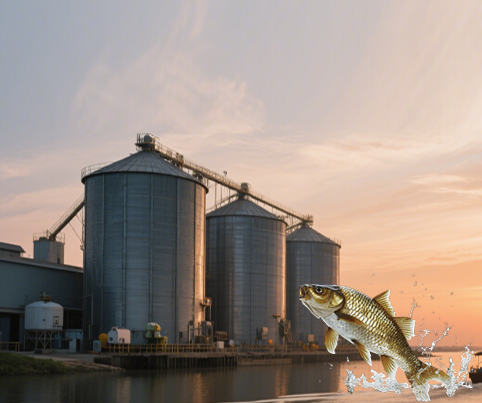
A floating fish feed plant is a complete production system designed to manufacture extruded aquafeed pellets that float on the water surface for extended periods. These feeds are widely used in farming species such as tilapia, catfish, carp, and ornamental fish.
Unlike sinking feed production lines, floating fish feed plants rely on extrusion technology, which uses high temperature, pressure, and moisture to gelatinize starch, expand the feed structure, and create low-density pellets with excellent buoyancy.
Common long-tail keywords naturally associated with this system include floating fish feed production line, floating fish feed manufacturing plant, floating aquafeed plant, and fish feed extrusion line.
Process Flow of a Floating Fish Feed Production Line
A standard floating fish feed plant follows a well-structured and efficient process flow to ensure consistent feed quality and stable operation:
- Raw Material Crushing
Ingredients such as corn, soybean meal, wheat flour, fish meal, and additives are ground into fine particles using a hammer mill or grinder. Fine and uniform particle size is essential for effective extrusion and pellet expansion. - Batching and Mixing
Accurate batching systems and high-efficiency mixers ensure that all raw materials, vitamins, minerals, and micro-additives are evenly distributed. This step directly impacts the nutritional consistency of the floating fish feed. - Extrusion and Pelleting
The extruder is the core machine in a floating fish feed plant. Under high temperature and pressure, the feed mash is cooked, expanded, and shaped into pellets. By adjusting screw configuration, die size, moisture, and temperature, manufacturers can produce different pellet diameters and control floating time. - Drying
Freshly extruded pellets contain high moisture content. A continuous belt dryer or multi-layer dryer reduces moisture to a safe level, improving pellet hardness, shelf life, and storage stability. - Oil Coating and Flavoring
An automatic coating system sprays oil, fat, or attractants onto the pellet surface, enhancing energy content and palatability while minimizing nutrient loss. - Cooling and Packaging
Pellets are cooled to ambient temperature before being screened and packed. Proper cooling prevents condensation and mold growth during storage and transportation.
Key Advantages of a Floating Fish Feed Plant
Investing in a professional floating fish feed manufacturing plant offers multiple benefits for aquafeed producers:
- Excellent Floating Performance
Floating pellets remain on the water surface for a long time, making it easy for farmers to observe fish feeding behavior and reduce feed waste. - High Feed Utilization Rate
Well-expanded extruded feed improves digestibility and feed conversion ratio (FCR), lowering overall feeding costs. - Flexible Formulation Capability
A floating fish feed plant can process a wide range of raw materials and produce feed formulas tailored to different fish species and growth stages. - Stable and Automated Operation
Modern floating aquafeed plants feature PLC control systems, ensuring stable production, reduced labor costs, and consistent product quality. - Scalable Capacity Options
From small-scale floating fish feed lines to large industrial plants, production capacities can be customized to meet specific market demands.
Equipment Configuration and Customization
A floating fish feed plant is not a one-size-fits-all solution. Equipment configuration can be adjusted based on raw materials, target species, pellet size, and desired output. Key equipment typically includes:
- Hammer mill or fine grinder
- Automatic batching and mixing system
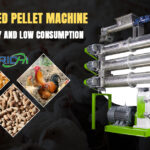
- Single-screw or twin-screw fish feed extruder machine
- Belt or multi-pass dryer
- Vacuum or drum oil coating machine
- Counterflow cooler and packing system
(Useful link: https://pelletisingmachine.com/aqua-feed-machine/ )
Customized plant layouts help optimize material flow, reduce energy consumption, and improve overall production efficiency.
Applications of Floating Fish Feed Plants
Floating fish feed production lines are widely used in:
- Commercial aquaculture feed mills
- Integrated fish farming operations
- Pet and ornamental fish feed production
- Research and pilot feed plants
With minor adjustments, the same plant can often produce slow-sinking fish feed, expanding product variety and market reach.
How to Choose the Right Floating Fish Feed Plant
When selecting a floating fish feed plant supplier or solution, consider the following factors:
- Production capacity and future expansion plans
- Extruder performance and energy efficiency
- Automation level and control system reliability
- Equipment durability and after-sales support
- Ability to provide customized engineering and formulation guidance
A reliable floating fish feed plant should balance performance, operating cost, and long-term stability.
Conclusion
A modern floating fish feed plant is a vital investment for aquafeed manufacturers aiming to improve feed quality, production efficiency, and market competitiveness. By integrating advanced extrusion technology, intelligent automation, and flexible configuration, floating fish feed production lines meet the evolving demands of the global aquaculture industry. Whether for small-scale operations or large commercial feed mills, a well-designed floating fish feed plant delivers consistent performance and sustainable returns.