The Transformation of Agricultural Waste Into Renewable Energy
The agricultural industry produces enormous amounts of organic residues every year. Materials such as peanut shells, rice husks, corn stalks, wheat straw, and other crop by-products are generated during farming and processing activities. While these materials were traditionally viewed as waste, modern technology has revealed their hidden value as renewable energy resources.
With increasing global attention on environmental protection and clean energy development, biomass fuel has become an important alternative to conventional energy sources. Agricultural residues can now be processed into compact fuel pellets that offer better storage, transportation, and combustion performance.
This transformation creates opportunities for agricultural enterprises, biomass fuel producers, and energy companies. Instead of spending resources on waste disposal, businesses can develop profitable solutions by converting unused materials into marketable fuel products.
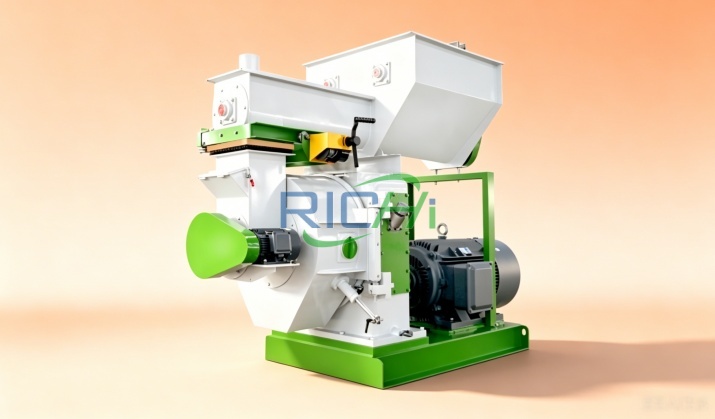
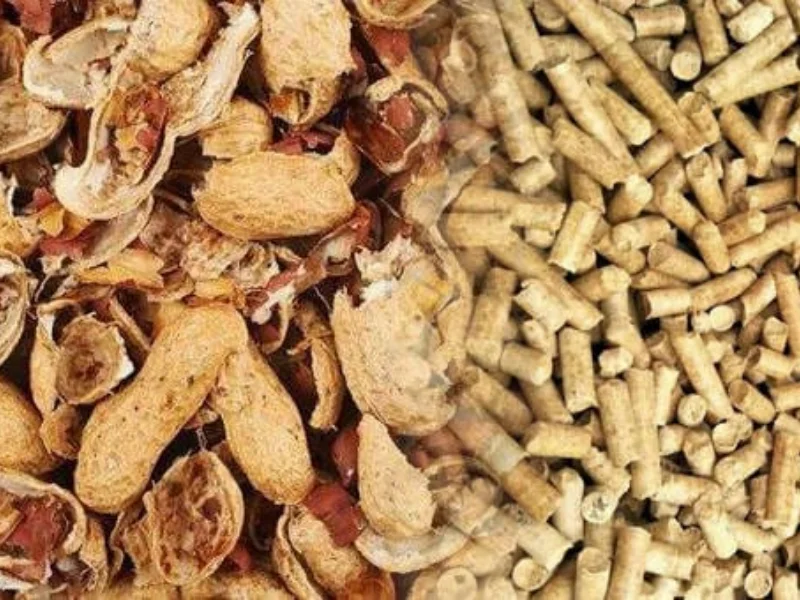
Peanut shells are one example of agricultural waste with significant potential. Their natural fiber structure and availability make them suitable for pellet production when processed correctly. A professional peanut shell pellet mill allows operators to compress peanut shells into uniform pellets that can be used in industrial heating systems and biomass energy projects.
Why Peanut Shell Pellets Are Becoming More Popular
The demand for renewable fuels continues to grow as industries seek cleaner energy solutions. Biomass pellets have gained popularity because they combine environmental benefits with practical economic advantages.
One important advantage of peanut shell pellets is resource availability. Peanut processing industries generate large quantities of shells, providing a stable source of raw materials. Instead of accumulating waste, these materials can become valuable fuel resources.
Another benefit is improved transportation efficiency. Loose agricultural residues usually have low density, making them difficult and expensive to transport. Pelletizing increases material density, allowing more efficient storage and delivery.
In addition, biomass pellets provide more consistent combustion compared with untreated agricultural waste. Their standardized shape and size make them suitable for automated feeding systems and industrial applications.
(Related Post: https://biomasspelletizer.com/husk-pellet-machine/)
For businesses, this means biomass pellet production is not only an environmental solution but also a potential investment opportunity.
Building Efficient Biomass Pellet Production Systems
A successful pellet production project requires proper equipment selection and process design. Different agricultural materials have unique characteristics, so production systems must be customized according to raw material conditions.
The production process usually begins with raw material preparation. Agricultural residues may need crushing to achieve suitable particle sizes. If the moisture level is too high, drying equipment may also be required to improve pellet quality.
After preparation, the material enters the pelletizing stage. Under mechanical pressure, biomass particles are compressed into dense cylindrical pellets. This process improves fuel quality and makes the final product easier to handle.
For companies planning a larger-scale project, understanding different production models is important. A 3-4 T/H rice husk pellet production line for sale can provide useful insights into the structure of medium-to-large biomass processing systems, including raw material preparation, pelletizing, cooling, screening, and packaging.
Although rice husk and peanut shells have different physical characteristics, both require professional engineering solutions to achieve efficient production.
Improving Production Efficiency Through Advanced Equipment
Modern biomass pellet equipment has developed significantly in recent years. Compared with traditional processing methods, advanced machines offer better automation, higher production stability, and improved energy efficiency.
A well-designed pellet production system helps reduce manual operation requirements and improves overall productivity. Automatic control systems, optimized mechanical structures, and durable components contribute to more reliable long-term performance.
Equipment quality is especially important because biomass materials can create mechanical wear during continuous operation. Reliable components and professional manufacturing standards help extend machine service life and reduce maintenance costs.
Businesses should also consider whether suppliers can provide complete technical support. From project planning and equipment installation to operation training and after-sales service, professional assistance can greatly influence project success.
Companies with extensive industry experience can provide customized solutions based on different materials and production goals. For example, Richi Pellet Machine focuses on supplying biomass and feed processing equipment designed for various production requirements.
Creating Economic Value Through Circular Production
One of the biggest advantages of biomass pellet production is the creation of a circular economy model. Instead of following a traditional approach where resources are consumed and discarded, circular systems focus on reuse and value creation.
Agricultural residues fit perfectly into this concept. Peanut shells, rice husks, and crop stalks can return to the economic cycle as renewable fuel products.
For agricultural processing companies, this creates several advantages:
- Lower waste disposal expenses
- Additional revenue opportunities
- Better resource utilization
- Improved environmental performance
For farmers, biomass projects can create new markets for agricultural residues. For industries, they provide alternative fuel options that support sustainability goals.
This cooperation between agriculture and energy production demonstrates how modern technology can create benefits across multiple sectors.
Important Factors When Investing in Biomass Pellet Production
Starting a biomass pellet project requires careful evaluation of several factors. A successful investment depends not only on equipment but also on raw material supply, market demand, and operational planning.
Raw Material Availability
A stable supply of agricultural residues is essential for continuous production. Businesses should evaluate local agricultural output, seasonal changes, and storage requirements.
Production Requirements
Different customers may require different pellet sizes, quality standards, and production capacities. Understanding the target market helps determine the most suitable system configuration.
Equipment Reliability
High-quality machinery reduces downtime and improves production efficiency. Investors should consider machine durability, energy consumption, and maintenance requirements.
Technical Support
Professional guidance before and after installation can help avoid operational problems and improve production results.
When researching biomass pellet solutions, companies should collect reliable technical information and compare different approaches. More detailed industry knowledge can be straight from the source to better understand equipment applications, production methods, and market trends.
The Future Potential of Biomass Energy Development
The future of renewable energy will depend on diverse solutions that combine environmental responsibility with economic practicality. Biomass energy has strong potential because it uses resources that are already available through agricultural activities.
Peanut shells and other agricultural residues represent an enormous opportunity for sustainable development. With advanced pellet technology, these materials can become reliable fuel sources that support cleaner industrial operations.
As technology continues to improve, biomass pellet systems will become more efficient, intelligent, and adaptable. Businesses that invest in modern processing solutions can benefit from the growing demand for renewable energy.
The journey from agricultural waste to biomass fuel demonstrates how innovation can transform challenges into opportunities. By applying efficient pellet production technology, companies can create valuable products, reduce environmental impact, and contribute to a more sustainable energy future.