The equine and pet care industries continue to embrace pine pellet bedding as a superior alternative to traditional straw or shavings, offering exceptional absorbency, natural odor control, and reduced disposal volume. Pine pellet bedding has become the preferred choice for horse owners, small animal keepers, and environmentally conscious consumers seeking dust-free, comfortable, and highly absorbent bedding solutions. Manufacturing this premium product requires sophisticated equipment, with cat litter drying and screening system technology playing a critical role in achieving the consistent quality and low-dust characteristics that users demand.
Understanding Pine Pellet Bedding Production
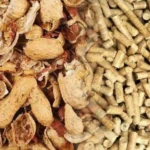
Pine pellet bedding is manufactured from kiln-dried pine shavings and sawdust, processed into dense, uniform pellets that offer superior performance over traditional bedding materials. Premium bedding pellets start with only kiln-dried, high-heat treated pine shavings, with extensive dust extraction processes performed prior to pelleting to ensure the softened fiber remains low in dust while maintaining high absorbency . The manufacturing process involves heating the pine material to extreme temperatures that remove tars, oils, hydrocarbons, and other potential allergens, with processing temperatures reaching pasteurization levels .
The finished pine pellet bedding offers features that make it commercially attractive: highly absorbent with wet spots actually clumping, reduced disposal volume by up to 50% over straw or large flake shavings, low dust achieved through extensive dust extraction, and the ability to compost quickly and efficiently . These characteristics position pine pellet bedding as a premium product in the animal bedding market.
Core Equipment: The Pellet Maker for Pine Processing
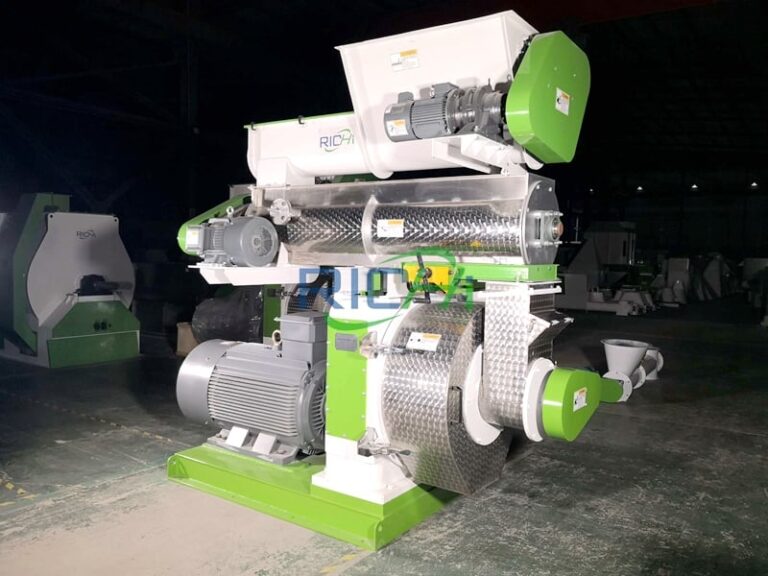
At the heart of every pine pellet bedding manufacturing line is the pellet maker, which compresses processed pine fibers into uniform pellets. For wood-based bedding production, the MZLH series ring die pellet mills are specifically designed to process fibrous materials without the conditioning systems required for tofu or starch-based products. These machines are capable of processing a wide range of materials, including sawdust, wood chips, and tree trunks, compressing them into uniform pellets for various applications .
The pellet maker operates on the principle of forcing prepared material through a ring die under high pressure. For pine processing, the die’s hole size and compression ratio must be carefully selected to achieve optimal pellet density and durability. Available models for wood and paper cat litter offer capacities ranging from 0.2 to 4.0 tons per hour, with ring die inner diameters from 320 to 858 millimeters . These machines produce finished pellets with diameters of 4–12 millimeters, suitable for various bedding applications. Key features include high-accuracy gear drives, stainless steel feeders with anti-caking functionality, and forced feeding systems with worm gear reducers .
A patented method for manufacturing yellow pine wood pellets for animal bedding involves drying yellow pine material at temperatures between 120°F to 140°F for approximately two weeks, grinding the dried material using a hammer mill to form a grist, exposing the grist to steam for conditioning, and then forming the conditioned grist into smooth uniform pellets at approximately 60 Kpsi pressure at temperatures between 200°F to 250°F . This process ensures the pellets remain smooth, dustless, and non-fur-engaging through continued handling.
The Drying and Screening System
A comprehensive cat litter drying and screening system is essential for producing premium pine pellet bedding. After pelletization, the freshly formed pellets require careful moisture management and size classification to meet quality standards.
Drying Process
The drying stage is critical for achieving the optimal moisture content that ensures product stability and performance. Pellet manufacturers typically reduce moisture content from approximately 16% to below 6% through rotary drying systems, with the hot pellets then moved to cooling areas before final packaging . The cooling process naturally brings the final moisture content back up to a stable level of 6% to 8%, which is the optimum range—dry enough to be absorbent but moist enough to avoid becoming brittle and dusty .
Patented drying systems for pelletized products utilize advanced designs including dry scattering drums with throwing discs, wheel discs for breaking up material, and sieve plates that ensure even distribution and efficient moisture removal . These systems feature feed augers that enable regulation and control of charging rates, ensuring material is pushed and evenly enters the drying drum to prevent material deformation due to obstruction .
Screening and Sifting
The screening stage ensures consistent product quality by separating pine pellet bedding into different size fractions, removing oversized or undersized particles and any potential contaminants . Vibrating screens with carefully selected mesh sizes separate finished pellets from fines and oversized particles, with rejected material typically returned to the system for recycling . This screening process ensures the bedding pellets meet consumer expectations for uniform size and consistent performance.
For the most comprehensive information on integrated systems and the latest equipment innovations, the best site for manufacturer specifications and project references provides detailed technical data. Modern production lines from leading manufacturers have been installed in cat litter and bedding plants across more than 80 countries worldwide .
Production Line Integration
A complete pine pellet bedding manufacturing facility integrates multiple stages beyond the pellet maker and drying and screening system. The typical process flow includes raw material crushing, drying and dehumidifying, conditioning, ring die extrusion granulation, cooling, screening, and packaging . For wood-based bedding production, the core equipment includes wood crushers, ring die pellet mills, and cooling and screening systems .
The production process for yellow pine wood pellets for animal bedding follows a proven methodology: collecting and drying yellow pine material, grinding the wood material into a grist, moisturizing the grist through steam exposure before placement into a pellet forming device that applies heat and pressure, and finally packaging the formed pellets . This process results in highly absorbent, biodegradable, odor-controlling, dustless bedding pellets.
Quality Assurance and Market Position
Quality control measures are implemented throughout the production process to ensure pine pellet bedding meets strict specifications. Key quality parameters include pellet hardness (minimum 95% durability rating), moisture content maintained below 10%, dust content below 0.5%, and absorption capacity meeting industry standards. Automated in-line testing equipment monitors these parameters continuously, with out-of-specification products automatically diverted for reprocessing.
Products manufactured using advanced cat litter drying and screening system technology consistently meet market demands for low dust and consistent particle size . The dried and screened pine pellet bedding offers advantages including renewability, low dust, and compostability that appeals to environmentally conscious consumers in the equine and pet care markets.
Summary
Establishing pine pellet bedding production with integrated cat litter drying and screening system solutions offers manufacturers a strategic opportunity in growing animal bedding markets. The combination of advanced pellet maker technology with automated drying, cooling, and screening systems delivers consistent quality and operational efficiency. For detailed specifications and project examples, the best site for manufacturer information provides comprehensive manufacturing solutions tailored to specific capacity requirements and raw material sources.
Check the details: https://www.richimanufacture.com/cat-litter-pellet-machine/