Agricultural waste management has become a major challenge in many farming regions around the world. Every year, enormous quantities of straw residues are generated after harvest seasons, including wheat straw, rice straw, corn stalks, and other crop byproducts. Traditionally, much of this material was burned in fields or discarded without creating additional value.
Today, renewable energy industries are changing that situation completely. Agricultural straw is now viewed as a valuable biomass resource capable of supporting industrial heating systems, power generation, and sustainable fuel markets.
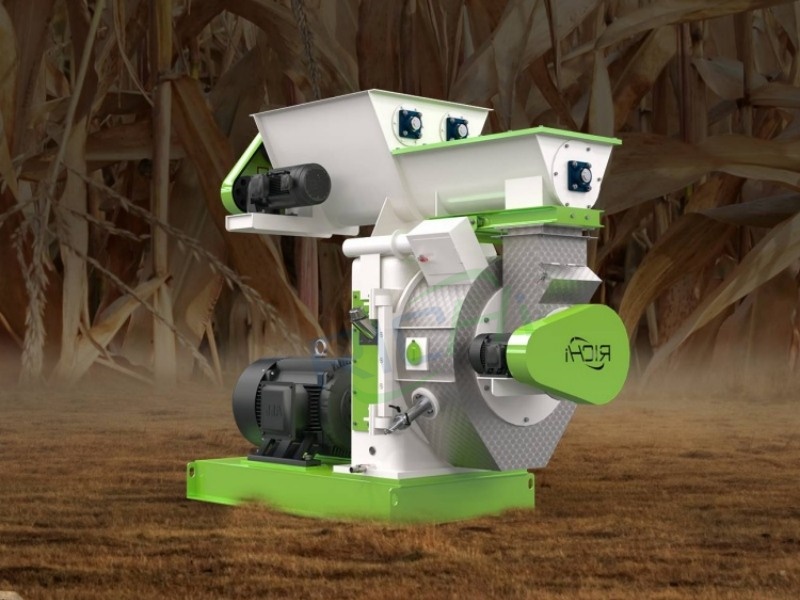
One of the key technologies driving this transition is the straw pellet mill for sale. Advanced pelletizing equipment allows manufacturers to convert loose agricultural residues into dense fuel pellets suitable for industrial applications worldwide.
Why Straw Biomass Is Gaining Global Attention
The rapid growth of renewable energy markets has dramatically increased demand for biomass fuel products.
Rising Environmental Concerns
Governments continue introducing stricter environmental regulations to reduce industrial emissions.
Renewable Energy Targets
Many countries are promoting biomass fuel as part of long-term sustainability strategies.
Abundant Agricultural Resources
Farming economies generate massive quantities of straw every year, creating stable feedstock supplies.
Increasing Industrial Demand
Factories and heating systems increasingly adopt renewable fuel solutions.
These trends are creating strong long-term opportunities for biomass pellet manufacturers globally.
The Complete Straw Pellet Production Process
Modern pellet production facilities rely on integrated systems designed for efficient continuous operation.
Raw Material Collection
Agricultural residues are transported from farms or storage areas to the pellet plant.
Crushing and Grinding
Large straw materials are processed into uniform particles suitable for pelletizing.
Drying Systems
Proper moisture control improves pellet quality and production stability.
Pellet Compression
The pellet mill compresses biomass under high pressure through durable ring dies.
Cooling and Screening
Fresh pellets are cooled and cleaned before packaging.
Packaging and Storage
Finished pellets are prepared for industrial customers or export markets.
A professional industrial straw pellet line solution often includes intelligent automation systems to improve production efficiency and reduce labor requirements.
Why Biomass Pellets Are More Efficient Than Loose Straw
Pelletizing significantly improves the usability of agricultural biomass.
Improved Energy Density
Pellets contain more energy per unit volume compared with loose straw.
Easier Transportation
Dense pellets reduce logistics and storage costs.
Stable Combustion Performance
Uniform pellet size improves boiler efficiency.
Cleaner Fuel Handling
Pellets produce less dust during transportation and storage.
Better Commercial Value
Processed biomass fuel commands higher market prices.
These advantages continue encouraging industries to adopt pellet fuel systems.
Key Industries Using Straw Biomass Fuel
Industrial Boilers
Factories use biomass pellets for thermal energy and steam generation.
Power Generation Plants
Biomass fuel helps reduce coal consumption and lower emissions.
Food Processing Facilities
Renewable heating systems are increasingly common in food manufacturing.
Agricultural Heating
Greenhouses and livestock farms use biomass heating solutions.
Commercial Heating Systems
Large heating facilities increasingly rely on renewable biomass fuel.
The wide variety of applications supports stable long-term market demand.
Important Features of Modern Pelletizing Equipment
High-quality machinery is essential for efficient biomass production.
Heavy-Duty Ring Dies
Durable dies improve operational lifespan and pellet consistency.
Intelligent Automation
PLC systems improve production control and efficiency.
Efficient Transmission Systems
Optimized transmission structures reduce electricity consumption.
Automatic Lubrication
Lubrication systems reduce maintenance downtime.
Wear-Resistant Materials
Advanced alloys improve equipment durability.
Many biomass investors compare different Richi manufacture systems because of their customization capabilities and international engineering experience.
Common Operational Challenges in Biomass Plants
Although biomass manufacturing offers excellent opportunities, producers must manage several operational challenges.
Moisture Control
Improper moisture levels reduce pellet quality.
Raw Material Variability
Different straw materials may require process adjustments.
Equipment Wear
Continuous production creates maintenance demands.
Dust Control
Pellet plants require proper ventilation systems.
Energy Consumption
Efficient engineering is critical for long-term profitability.
Professional plant design and technical support help reduce these risks.
Why Smart Manufacturing Is Becoming Essential
Modern biomass factories increasingly adopt intelligent manufacturing technologies.
Advanced monitoring systems help operators track:
- Production output
- Pellet temperature
- Motor load
- Moisture levels
- Equipment wear conditions
Automation improves operational stability while lowering labor costs.
Many companies researching biomass manufacturing technologies frequently review technical explanation resources and international project case studies before selecting pellet production equipment.
Environmental Benefits of Biomass Pellet Production
Biomass fuel manufacturing supports sustainability in several ways.
Recycling Agricultural Waste
Pellet production converts farm residues into useful energy products.
Lower Carbon Emissions
Biomass fuel reduces dependence on fossil fuels.
Reduced Open-Field Burning
Biomass utilization helps reduce agricultural pollution.
Renewable Energy Expansion
Pellet fuel supports cleaner industrial development.
These environmental advantages continue increasing government support for biomass energy investments.
Global Market Growth for Biomass Pellets
The biomass industry is expanding rapidly across international markets.
Europe
Renewable energy policies continue increasing pellet demand.
Southeast Asia
Agricultural economies provide abundant straw resources.
Africa
Biomass projects help reduce reliance on traditional wood fuels.
South America
Agricultural processing industries are exploring renewable fuel solutions.
International biomass demand is expected to continue growing for many years.
Future Trends in Pellet Manufacturing Technology
Future pellet production systems are expected to focus heavily on:
- AI-assisted production management
- Lower energy consumption
- Better wear-resistant materials
- Remote monitoring technologies
- Smart maintenance systems
- Improved environmental performance
These innovations will continue improving profitability and production efficiency throughout the biomass sector.
(Related Post: https://www.richipelletmill.com/hay-pellet-machine-for-sale/)
Conclusion
Agricultural straw has become one of the most valuable renewable resources in today’s biomass energy market. Modern pelletizing systems allow manufacturers to transform low-value agricultural waste into efficient industrial fuel suitable for heating systems, power plants, and commercial energy applications.
As global demand for renewable energy continues increasing, biomass pellet manufacturing is expected to remain a strong growth industry. Companies investing in advanced equipment, intelligent automation, and efficient plant design will be better positioned for long-term success in the expanding renewable energy economy.