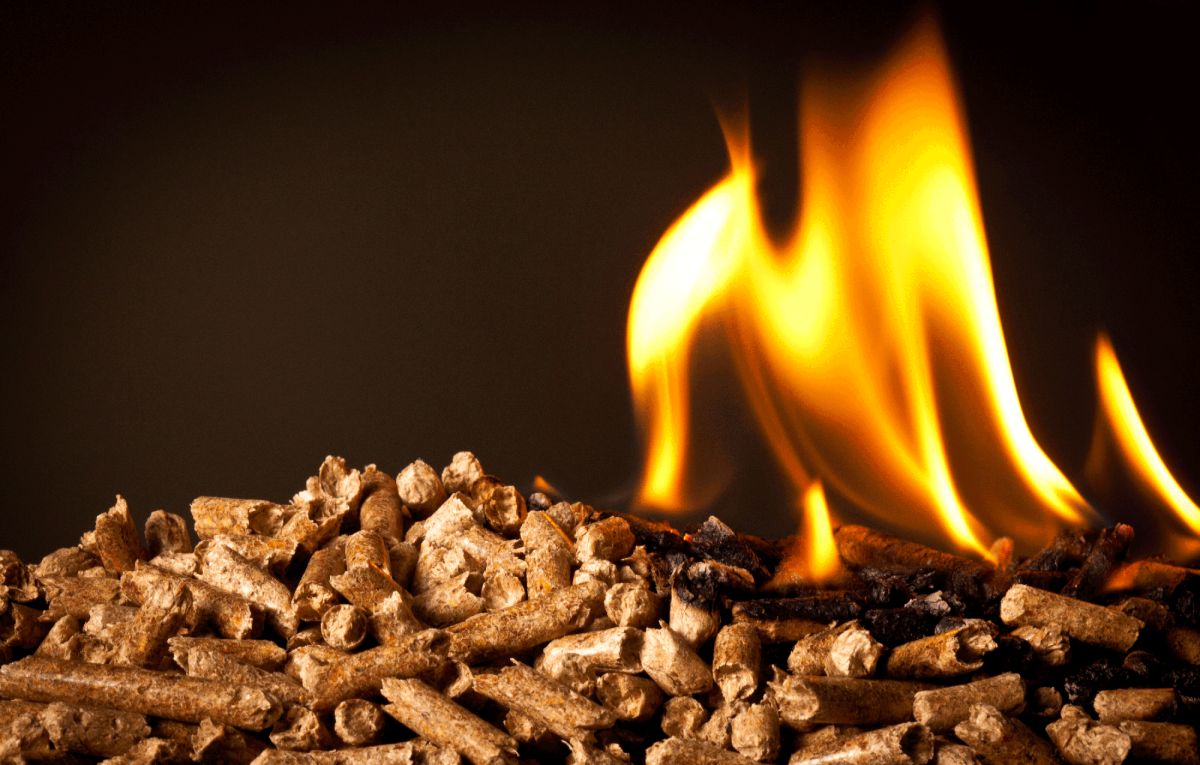
As countries around the world work toward reducing greenhouse gas emissions and increasing the share of renewable energy in their energy mix, biomass energy has emerged as an important solution. Unlike fossil fuels, biomass is derived from organic materials that can be replenished through natural processes and agricultural production. Among the many technologies that make biomass energy practical and efficient, biomass pelletizing plays a critical role. By converting loose agricultural residues, forestry waste, and other biomass materials into dense, uniform pellets, pelletizing helps improve fuel quality, transportation efficiency, storage stability, and energy utilization.
Biomass pellets are now widely used in residential heating, industrial boilers, power generation plants, and combined heat and power systems. As renewable energy targets become more ambitious worldwide, biomass pellet production continues to expand. Advanced equipment such as the vertical biomass pellet mill has further improved production efficiency and pellet quality, making biomass energy more accessible and economically viable.
Understanding Biomass Pelletizing
Biomass pelletizing is the process of compressing finely ground biomass materials into cylindrical pellets under high pressure. Common raw materials include:
- Sawdust
- Wood chips
- Rice husks
- Wheat straw
- Corn stalks
- Sugarcane bagasse
- Palm fiber
- Forestry residues
These materials are often bulky, lightweight, and difficult to transport efficiently. Through pelletizing, their density can increase several times, resulting in a more concentrated and manageable fuel source.
The pelletizing process typically involves:
- Raw material collection
- Drying
- Crushing or grinding
- Pelletizing
- Cooling
- Screening
- Packaging and storage
The final product offers higher energy density, lower moisture content, and more consistent combustion characteristics compared with raw biomass.
The Growing Importance of Renewable Energy
Renewable energy sources are becoming increasingly important as nations seek alternatives to fossil fuels. Solar, wind, hydropower, geothermal energy, and biomass all contribute to reducing carbon emissions and improving energy security.
However, unlike solar and wind power, biomass provides several unique advantages:
- Dispatchable energy generation
- Stable fuel supply
- Existing infrastructure compatibility
- Waste utilization opportunities
- Rural economic development
Because biomass can be stored and used on demand, it complements intermittent renewable energy sources such as solar and wind. Pelletized biomass further enhances these advantages by creating a standardized fuel that can be easily transported and utilized.
Reducing Dependence on Fossil Fuels
One of the primary renewable energy goals worldwide is reducing reliance on coal, oil, and natural gas. Biomass pellets can directly replace fossil fuels in many applications.
Industrial facilities can co-fire biomass pellets with coal, reducing carbon emissions without requiring complete infrastructure replacement. Some power plants have successfully converted from coal to biomass, significantly lowering their environmental impact.
Biomass pelletizing supports this transition by providing a fuel that:
- Burns efficiently
- Produces predictable heat output
- Can be handled using existing fuel systems
- Meets industrial fuel standards
As pellet production becomes more efficient, biomass increasingly becomes a practical alternative to traditional fossil fuels.
Converting Agricultural Waste into Valuable Energy
Millions of tons of agricultural residues are generated every year worldwide. In many regions, these residues are burned in open fields or left to decompose, leading to air pollution and greenhouse gas emissions.
Pelletizing transforms agricultural waste into a valuable renewable energy resource. Materials such as:
- Rice straw
- Wheat straw
- Corn stalks
- Cotton stalks
- Peanut shells
can be converted into high-quality fuel pellets.
This process supports renewable energy goals by simultaneously:
- Reducing waste disposal problems
- Preventing open-field burning
- Generating renewable fuel
- Creating additional income for farmers
The utilization of agricultural residues helps maximize resource efficiency while reducing environmental impacts.
Improving Biomass Fuel Efficiency
Raw biomass often suffers from several limitations:
- High moisture content
- Low bulk density
- Irregular particle size
- Difficult transportation
- Variable combustion performance
Pelletizing addresses these issues by creating a standardized fuel product.
Biomass pellets typically offer:
- Higher energy density
- Lower moisture levels
- Improved combustion efficiency
- Reduced storage space requirements
- Consistent fuel quality
These improvements make biomass more competitive with conventional energy sources and increase its contribution to renewable energy systems.
Supporting Carbon Reduction Strategies
Reducing carbon emissions is central to global renewable energy objectives. Biomass pelletizing contributes to carbon reduction in multiple ways.
When biomass grows, plants absorb carbon dioxide from the atmosphere through photosynthesis. During combustion, this carbon is released back into the atmosphere. As long as biomass resources are sustainably managed and replenished, the carbon cycle remains relatively balanced.
In addition, pelletizing helps reduce emissions by:
- Replacing fossil fuels
- Reducing waste burning
- Improving combustion efficiency
- Lowering transportation emissions through densification
While biomass is not entirely emission-free, it generally offers a significantly lower carbon footprint than coal and other fossil fuels.
Enhancing Energy Security
Many countries rely heavily on imported fossil fuels, creating vulnerabilities related to price fluctuations and supply disruptions.
Biomass pellet production supports energy security by utilizing locally available resources. Agricultural residues and forestry by-products can be converted into fuel within the same region where they are generated.
Benefits include:
- Reduced fuel imports
- Diversified energy sources
- Greater energy independence
- Enhanced rural development
Local biomass supply chains help create a more resilient and sustainable energy system.
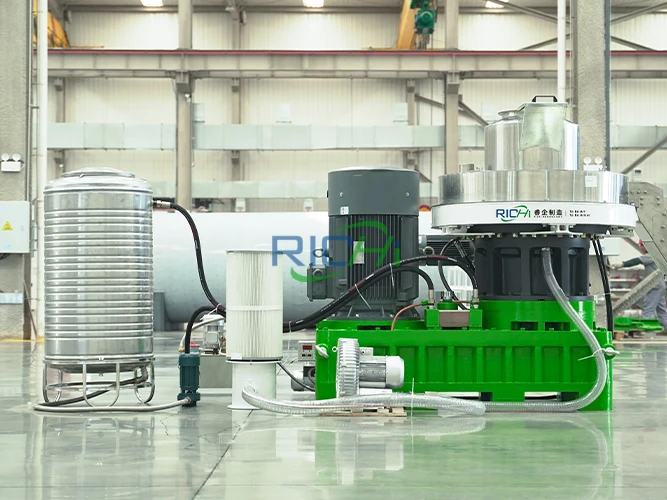
The Role of the Vertical Biomass Pellet Mill
Modern pellet production depends heavily on advanced machinery. Among the most important technologies is the vertical biomass pellet mill.
https://pelletisingmachine.com/vertical-biomass-pellet-mill
Unlike traditional horizontal pellet mills, vertical designs offer several advantages:
Better Material Flow
Gravity assists the movement of raw materials through the pelletizing chamber. This reduces material blockage and improves production stability.
Lower Die Wear
The vertical arrangement helps distribute pressure more evenly across the die surface, reducing wear and extending equipment life.
Improved Pellet Quality
Consistent compression and feeding contribute to more uniform pellet density and durability.
Higher Production Efficiency
Many large-scale biomass producers prefer the vertical biomass pellet mill because it can process challenging raw materials while maintaining stable output.
Reduced Maintenance Requirements
The design often allows easier access to key components, simplifying routine maintenance and minimizing downtime.
These advantages help manufacturers produce biomass pellets more efficiently, supporting the broader adoption of renewable energy.
Supporting Sustainable Forestry Practices
Forestry operations generate significant quantities of residues, including:
- Branches
- Bark
- Wood chips
- Sawdust
- Thinning materials
Without productive use, these materials may be discarded or burned.
Biomass pelletizing creates a market for forestry residues, encouraging more complete utilization of harvested timber resources. Sustainable forestry practices combined with pellet production contribute to:
- Waste reduction
- Improved forest management
- Additional revenue streams
- Renewable fuel production
This integration strengthens both environmental and economic sustainability.
Creating Economic Opportunities in Rural Areas
Renewable energy development is not only about environmental benefits; it also contributes to economic growth.
Biomass pellet industries generate employment opportunities across the supply chain, including:
- Biomass collection
- Transportation
- Processing
- Equipment manufacturing
- Plant operation
- Maintenance services
Rural communities often benefit the most because biomass resources are typically located near agricultural and forestry activities.
The establishment of pellet plants can stimulate local economies while supporting national renewable energy goals. (check my source)
Facilitating Industrial Decarbonization
Heavy industries face increasing pressure to reduce greenhouse gas emissions. Many industrial processes require large amounts of thermal energy that are difficult to electrify.
Biomass pellets provide a practical solution for sectors such as:
- Cement manufacturing
- Food processing
- Textile production
- Pulp and paper mills
- Chemical industries
By substituting biomass pellets for coal or fuel oil, industrial facilities can significantly reduce their carbon footprint while maintaining operational reliability.
Supporting Combined Heat and Power Systems
Combined Heat and Power (CHP) systems simultaneously produce electricity and useful heat from a single fuel source.
Biomass pellets are particularly well suited for CHP applications because of their:
- Consistent quality
- High energy density
- Reliable combustion characteristics
CHP systems can achieve much higher overall energy efficiency compared with conventional power generation methods.
As governments encourage more efficient energy utilization, biomass pellet-fueled CHP facilities are becoming increasingly important.
Advancing Circular Economy Principles
The circular economy emphasizes keeping resources in use for as long as possible while minimizing waste.
Biomass pelletizing aligns closely with these principles by transforming waste materials into valuable energy products. Agricultural and forestry residues that would otherwise be discarded become renewable fuel resources.
This approach helps:
- Reduce landfill use
- Increase resource efficiency
- Generate renewable energy
- Create sustainable value chains
The pellet industry demonstrates how waste streams can become productive economic assets.
Technological Innovation and Future Development
Continued innovation is making biomass pellet production more efficient and sustainable.
Key developments include:
- Improved drying technologies
- Automated production systems
- Advanced process monitoring
- Energy-efficient pellet mills
- Enhanced pellet durability technologies
The vertical biomass pellet mill continues to evolve as manufacturers seek greater productivity, lower operating costs, and higher pellet quality.
Future innovations may further improve the competitiveness of biomass energy and expand its role in renewable energy systems.
Conclusion
Biomass pelletizing plays a vital role in achieving renewable energy goals worldwide. By converting agricultural residues, forestry waste, and other biomass resources into a dense, standardized fuel, pelletizing improves energy efficiency, reduces waste, lowers carbon emissions, and supports sustainable development.
The growing adoption of technologies such as the vertical biomass pellet mill has significantly enhanced pellet production capabilities, making biomass energy more practical and economically attractive. As governments, industries, and communities continue pursuing cleaner energy solutions, biomass pellets will remain an important component of the global renewable energy landscape.
Through waste utilization, carbon reduction, rural economic development, and improved energy security, biomass pelletizing demonstrates how innovative resource management can support a more sustainable and resilient energy future.