Introduction: The Importance of Quality in Aquatic Feed Manufacturing
Aquaculture has become a major source of aquatic products worldwide, providing fish, shrimp, and other species to meet growing global food demand. As aquaculture operations become more intensive and commercialized, the quality of aquatic feed has become one of the most important factors affecting farming performance.
Feed is not only a source of nutrition but also a key element that determines growth speed, feed conversion ratio, water quality, disease resistance, and overall production efficiency. Low-quality feed may result in poor nutrient absorption, slow growth, excessive waste, and increased farming costs. In contrast, high-quality aquatic feed helps animals obtain balanced nutrition, maximize growth potential, and improve profitability for farmers.
High-quality aquatic feed production is not achieved through a single factor. It requires a combination of scientific formulation, carefully selected raw materials, advanced processing technology, strict quality control, and reliable production equipment.
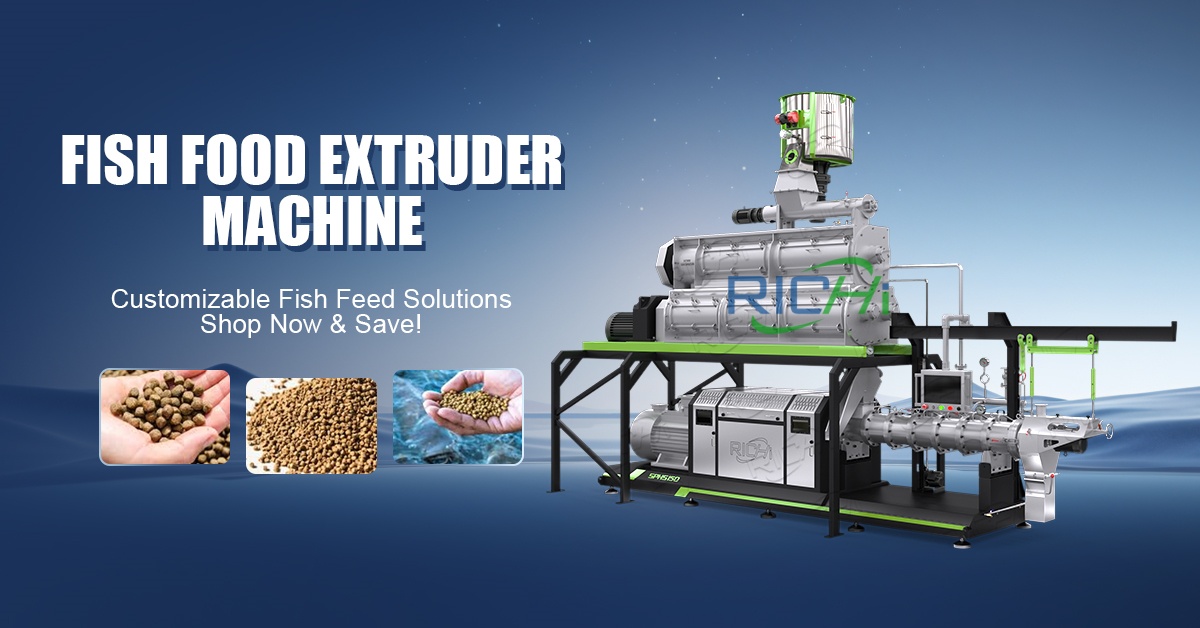
Modern aquatic feed factories use advanced manufacturing systems to produce feed with excellent nutritional value and physical performance. Among these technologies, the dry type floating fish feed extruder plays an important role in producing floating pellets with stable structure, controlled density, and improved digestibility.
Understanding what makes aquatic feed production high quality helps manufacturers develop better products and enables aquaculture businesses to achieve more efficient and sustainable production.
Scientific Feed Formulation Creates Balanced Nutrition
The foundation of high-quality aquatic feed production is a scientifically designed formula. Different aquatic species have different nutritional requirements, so feed must be carefully formulated according to species type, growth stage, and farming conditions.
A high-quality feed formula should provide a balanced combination of:
- Protein
- Energy
- Lipids
- Vitamins
- Minerals
- Functional additives
Protein Balance
Protein is one of the most important nutrients for fish growth because it supports muscle development, tissue repair, and metabolism.
Common protein sources include:
- Fish meal
- Soybean meal
- Corn gluten meal
- Other plant-based proteins
High-quality feed does not simply contain high protein levels. Instead, it provides the correct amount and balance of essential amino acids required by aquatic animals.
Energy Optimization
Energy sources such as corn, wheat, and rice bran help fish maintain daily activities and metabolic functions.
A proper energy-to-protein ratio allows fish to use protein efficiently for growth rather than wasting it as an energy source.
Micronutrient Supply
Vitamins and minerals are essential for maintaining:
- Immune function
- Bone development
- Reproductive performance
- Disease resistance
Scientific formulation ensures that each pellet provides complete nutrition for healthy growth.
High-Quality Raw Materials Improve Feed Performance
The quality of raw materials directly affects the final performance of aquatic feed. Even advanced processing technology cannot completely compensate for poor-quality ingredients.
High-quality aquatic feed manufacturers carefully select raw materials based on:
- Nutritional value
- Freshness
- Safety
- Availability
- Cost efficiency
Common ingredients include:
Animal Protein Sources
Fish meal and other animal protein ingredients provide highly digestible protein and essential amino acids.
Plant-Based Ingredients
Soybean meal, wheat products, and other plant ingredients provide affordable protein and carbohydrates.
Oils and Fats
Fish oil and vegetable oils supply essential fatty acids that support growth and health.
Functional Ingredients
Probiotics, enzymes, and immune-supporting additives can improve digestion and overall animal performance.
Proper storage of raw materials is also important. Moisture, contamination, and oxidation can reduce ingredient quality and negatively affect feed performance.
Precise Grinding Improves Nutrient Utilization
Grinding is an essential step in aquatic feed production because particle size influences digestion, mixing quality, and pellet formation.
High-quality feed production requires accurate control of particle size.
Proper grinding provides several advantages:
- Better nutrient distribution
- Improved digestibility
- More uniform pellets
- Better extrusion performance
For juvenile fish, finer particles are usually required because young animals have smaller digestive systems. Larger fish may require different particle sizes.
Advanced grinding equipment ensures that ingredients are properly prepared before entering the mixing and extrusion processes.
Uniform Mixing Ensures Consistent Feed Quality
After grinding, all ingredients must be mixed evenly to create a homogeneous feed mixture.
Poor mixing can cause:
- Uneven nutrient distribution
- Different nutritional values between pellets
- Inconsistent growth results
High-quality mixing systems ensure that:
- Protein sources are evenly distributed
- Additives are properly incorporated
- Each pellet contains balanced nutrition
Modern mixers provide accurate and efficient processing, helping manufacturers maintain stable product quality during large-scale production.
Advanced Extrusion Technology Creates Superior Pellets
Extrusion is one of the most important processes in modern aquatic feed production. It determines the physical characteristics of feed pellets, including floating ability, durability, and digestibility.
During extrusion, feed materials are processed under controlled:
- Temperature
- Pressure
- Mechanical shear
This changes the internal structure of feed materials and improves their processing performance.
The benefits of extrusion include:
- Improved starch gelatinization
- Enhanced nutrient digestibility
- Better pellet stability
- Reduced microbial contamination
- Improved water resistance
A dry type floating fish feed extruder is specifically designed to produce floating feed pellets by using mechanical energy generated inside the extrusion chamber.
Compared with traditional processing methods, this equipment provides better control over pellet expansion and density, allowing manufacturers to produce feed suitable for different aquatic species.
https://richipelletizer.com/floating-fish-feed-extruder-machine
The Role of a Dry Type Floating Fish Feed Extruder in High-Quality Feed Production
A dry type floating fish feed extruder is a key piece of equipment for producing modern floating aquatic feed.
The quality of floating pellets depends heavily on extrusion performance. A reliable extruder helps manufacturers achieve:
Stable Floating Performance
The machine creates a porous internal structure that reduces pellet density and allows feed to remain on the water surface.
Better Feed Digestibility
The extrusion process improves starch utilization and nutrient availability.
Consistent Pellet Size
By changing dies and adjusting operating parameters, manufacturers can produce pellets suitable for different fish sizes.
Efficient Production
Dry extrusion technology simplifies operation and provides an effective solution for many feed producers.
High-quality extrusion equipment helps ensure that every batch of feed meets customer expectations.
Proper Pellet Characteristics Improve Feeding Efficiency
High-quality aquatic feed must have suitable physical characteristics. The nutritional value of feed is important, but pellet performance also directly affects feeding results.
Important pellet characteristics include:
Pellet Size
The pellet size should match the mouth size and feeding habits of target species.
Pellet Density
Density determines whether pellets float, sink, or remain suspended.
Pellet Hardness
Strong pellets reduce breakage during transportation and handling.
Water Stability
Feed should maintain its structure long enough for fish to consume nutrients effectively.
A high-quality production process ensures that pellets provide maximum feeding efficiency while minimizing nutrient loss.
Good Water Stability Reduces Nutrient Loss
Aquatic feed is different from terrestrial animal feed because it is consumed in water. Poor water stability can cause feed pellets to break down quickly, releasing nutrients into the environment.
This creates several problems:
- Feed waste
- Increased water pollution
- Higher production costs
- Poor farming conditions
High-quality aquatic feed maintains pellet integrity after entering water.
Advanced extrusion technology improves water stability by creating stronger pellet structures.
Better water stability allows fish to consume more nutrients directly from feed, improving growth performance and reducing environmental impact.
Strict Quality Control Ensures Reliable Feed Production
Quality control is essential throughout the entire aquatic feed manufacturing process.
A professional feed factory monitors:
Raw Material Quality
Ingredients are tested for:
- Nutritional content
- Moisture level
- Safety standards
Production Parameters
Important factors include:
- Temperature
- Moisture
- Pressure
- Processing time
Finished Feed Performance
Final products are evaluated for:
- Pellet size
- Floating time
- Water stability
- Nutritional composition
Continuous quality control ensures that customers receive consistent products and helps manufacturers build a strong market reputation.
Automation Improves Production Consistency
Modern aquatic feed production increasingly relies on automation to improve efficiency and quality.
A complete automated feed production line may include:
- Raw material cleaning systems
- Crushing equipment
- Automatic batching systems
- Mixing machines
- Extrusion systems
- Drying equipment
- Cooling systems
- Packaging machines
Automation provides:
- More accurate ingredient control
- Reduced human error
- Higher production efficiency
- Stable product quality
For large-scale feed manufacturers, automation is an important factor in maintaining competitiveness.
Customized Feed Production Meets Different Aquaculture Needs
Different aquatic species require different feed solutions. High-quality feed manufacturers develop customized products based on specific customer requirements.
Factors considered include:
- Species type
- Growth stage
- Farming environment
- Feeding habits
- Production goals
Examples include:
Fish Feed
Floating pellets are often used for species that feed near the water surface.
Shrimp Feed
Shrimp require pellets with excellent water stability.
(Learn more about shrimp feed pellet machine for sale)
Specialty Aquatic Feed
Some high-value species require customized formulas with specific nutritional characteristics.
Customization improves feeding results and helps farmers achieve better production efficiency.
Sustainable Aquatic Feed Production Improves Long-Term Value
Sustainability is becoming increasingly important in the aquaculture industry. High-quality feed production contributes to sustainability by improving resource utilization and reducing environmental impact.
Sustainable practices include:
- Improving feed conversion efficiency
- Reducing feed waste
- Using alternative ingredients
- Optimizing energy consumption
Advanced equipment such as a dry type floating fish feed extruder helps manufacturers produce efficient feed products while reducing resource waste.
Better feed efficiency allows farmers to produce more aquatic products with fewer resources.
Choosing the Right Equipment for High-Quality Aquatic Feed Production
Equipment selection has a significant impact on feed quality and production efficiency.
When choosing aquatic feed production equipment, manufacturers should consider:
Production Capacity
Equipment should match current demand and future expansion plans.
Product Requirements
Different feed types require different processing capabilities.
Equipment Reliability
Durable machines reduce downtime and maintenance costs.
Energy Efficiency
Efficient equipment lowers long-term operating expenses.
A suitable extrusion system should provide stable operation, consistent pellet quality, and flexible production options.
Working with an experienced equipment manufacturer helps investors develop optimized production solutions.
(click to investigate: Richi Machinery)
Conclusion: High-Quality Production Creates Better Aquatic Feed
High-quality aquatic feed production depends on many interconnected factors, including scientific formulation, premium raw materials, precise processing, advanced extrusion technology, and strict quality management.
Every stage of production influences the final performance of feed pellets and determines how effectively aquatic animals can utilize nutrients.
The application of advanced equipment, especially the dry type floating fish feed extruder, allows manufacturers to produce floating feed with excellent buoyancy, improved digestibility, and stable quality.
As global aquaculture continues to grow, the demand for efficient and reliable aquatic feed will continue to increase. By investing in modern production technology and maintaining high quality standards, feed manufacturers can provide better products, support healthier fish growth, and achieve long-term success in the competitive aquaculture market.